Introduction
When you start comparing furnaces, heat pumps, or air conditioners, you’ll likely see the ENERGY STAR label. Looks simple enough, but what does it really tell you about the equipment? Does that mean the system will use less electricity or gas? Will it cut your energy bills? And does a certified model get you a rebate?
These are worth checking before you spend money on a new HVAC system. The label provides useful information about energy star hvac equipment, but it doesn’t tell the whole story. This guide explains how energy star certification works, what it tests across different equipment types, and how to verify a model before you buy.
It also explains how rebates factor into the decision and how choosing equipment with better hvac energy efficiency can help with energy saving.
Table of Contents
- How Certification Works
- What the Criteria Cover by Category
- How to Verify a Model
- Its Role in Rebate Eligibility
- At a Glance
- Advantages and Trade-offs
- Checklist to Take to Your Contractor
- Related HVAC Products
- Frequently Asked Questions
1. How Certification Works
ENERGY STAR labels appear on refrigerators, washing machines, and other household products. The same general principle applies to HVAC equipment. A product cannot receive a label until it meets the energy-efficiency criteria set for its specific category. These requirements help identify efficient HVAC systems that meet recognised performance standards.
This is not just a manufacturer telling you its equipment is efficient. Labs recognised by the program test products, and an approved third-party certification body reviews the results. ENERGY STAR also requires verification testing to help ensure certified products continue to meet the requirements.
No single efficiency number applies to all HVAC systems. A furnace burns fuel to heat a space, an air conditioner removes heat from indoor air, and a heat pump can do both. Each category has different requirements because they are measured differently. These differences are important when comparing HVAC efficiency ratings and overall energy performance.
So it’s best to check the criteria for the equipment you are considering rather than treating the ENERGY STAR label as a one-size-fits-all rating.
2. What the Criteria Include by Category
The requirements will depend on what the equipment is supposed to do. Here is what ENERGY STAR looks for in some common HVAC categories.
Heat Pumps and Central Air Conditioners
For central air conditioners, the most important consideration is how efficiently the unit can cool a house. Heat pumps have another job. They have to heat as well as cool.
You will often see ratings such as SEER2, EER2 and HSPF2. Under certain test conditions, they measure different aspects of cooling and heating performance. The equipment type determines which ratings apply. HSPF2 stands for heating seasonal performance factor and helps measure a heat pump’s heating efficiency.
Buyers sometimes miss another thing. In a split system, the indoor and outdoor units are made to work together. Rating one component may not tell you how the whole system will perform. Always request the certified rating of the matched combination. This is particularly important when comparing an air source heat pump with other heating and cooling options.
Furnaces
Furnace efficiency is typically expressed as an Annual Fuel Utilisation Efficiency (AFUE) rating. Basically, AFUE is the ratio of fuel a furnace consumes to the useful heat it produces during a heating season.
Other factors such as cabinet air leakage may also be considered in ENERGY STAR requirements for furnaces. The criteria aren’t always the same for gas vs oil furnaces, so check the applicable spec before you compare models. ENERGY STAR furnaces must meet the applicable efficiency requirements for their category.
Boiler
Boilers heat water and send it through radiators, baseboard heaters or other hydronic heating systems. Certification requirements depend on how efficiently they turn fuel into useful heat.
The exact criteria vary by boiler type. If you are replacing an existing boiler, you should refer to the current ENERGY STAR specification for the type of unit you plan to install. This is important when comparing different heating systems.
Air Conditioners, Room
A window or through-wall air conditioner is not evaluated the same way as a central air conditioning system. Efficiency requirements depend on the product’s design and cooling capacity. Cooling capacity is commonly measured in British thermal units (BTU), while cooling efficiency helps show how effectively an air conditioner uses electricity.
When buying a single-room unit, compare models within the same category rather than comparing their ratings directly with central systems. The same approach applies when comparing different ENERGY STAR air conditioners and other air conditioning units.
Air Circulators
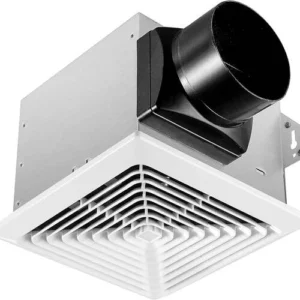
Ventilation equipment must do more than move air. They must deliver the necessary airflow without using too much electricity or making too much noise.
ENERGY STAR criteria for residential ventilation fans consider airflow efficiency and sound levels, in addition to performance at specified conditions. This is particularly useful when choosing equipment for bathrooms and other spaces where ventilation is often necessary.
You can find the current requirements for each category in the ENERGY STAR product specifications.
3. How to Validate a Model?
Finding the ENERGY STAR logo on a product page is a good first step, but not the last. Verify the real model number before accepting a quotation. Manufacturers may offer several similar models. Not all models will have the same Certification. This is especially important when purchasing ENERGY STAR certified HVAC equipment.
Here’s how to check:
- Search the ENERGY STAR® Product Finder. Enter the model details in the official Product Finder and confirm whether the equipment is listed on the certified list.
- Select the right category. Check a furnace against furnace requirements, a heat pump against heat pump requirements, etc.
- Check the whole system. When you purchase a split heating and cooling system, ask which indoor unit will be matched with which outdoor unit.
- Confirm Performance Rating. Look for certified ratings for the matched heating and cooling combination in the AHRI Directory.
- Please provide model numbers and certification information with your quote. Should the contractor bring different equipment later, you’ll have something to compare it to.
4. Its Role in Rebate Eligibility
When you’re looking for an HVAC rebate, an ENERGY STAR label can help. However, Certification alone does not automatically mean rebate approval.
Utility companies and local energy programs often offer incentives to install qualifying heating and cooling equipment. Some require ENERGY STAR certification; others set their own efficiency requirements. They may also require specific installation methods, a licensed contractor, or certain documents. These incentives can make high efficiency equipment more affordable and help homeowners save money over time.
Federal tax credits are a different matter. Section 25C: Federal Energy Efficient Home Improvement Credit (Through 2025) 5. Property placed in service after December 31, 2025, will no longer be eligible for this credit as of 2026. Federal law changed this deadline.
That said, not all incentives are gone. Local utility providers or state and local programs may also offer rebates. Check the ENERGY STAR Home Improvement Savings Tool and contact the appropriate program before buying equipment. You can also check relevant information from the Department of Energy to understand current federal energy-efficiency requirements in the United States.
This is worth doing early. Some programs require approval/application before installing, and buying the equipment first could affect your eligibility.
5. At a Glance
|
Factor |
ENERGY STAR Certified Equipment |
Standard Non-Certified Equipment |
What It Means for You |
|
Upfront cost |
May cost more, depending on the model |
May have a lower purchase price |
Compare the full installed price. |
|
Running cost drivers |
Efficiency, climate, usage, and energy prices |
Efficiency, climate, usage, and energy prices |
Your home’s conditions affect the bill. |
|
Efficiency measure |
Meets the applicable ENERGY STAR criteria |
May not meet ENERGY STAR criteria |
Check the rating for the exact equipment. |
|
Installation complexity |
Depends on the system and building |
Depends on the system and building |
Certification does not simplify installation. |
|
Maintenance level |
Needs routine cleaning and servicing |
Also needs routine cleaning and servicing |
Follow the manufacturer’s maintenance schedule. |
|
Best suited to |
Buyers looking for equipment that meets ENERGY STAR requirements |
Buyers comparing a wider range of equipment |
Consider performance and total cost before deciding |
6. Advantages and Trade-offs
Advantages
- A helpful starting point: The label helps you identify equipment that meets recognised energy-efficiency requirements.
- Easier comparisons. You have a consistent way to compare products within the same HVAC category.
- Rebates: Some utility and local programs offer rebates as part of their ENERGY STAR eligibility requirements.
- Energy savings: Choosing equipment with better energy performance can help reduce energy consumption and potentially lower your energy bill.
Compromises
- The starting price might be higher: Some certified models are more expensive than comparable non-certified equipment.
- No savings are guaranteed: Those are your actual bills, not the average. They depend on your climate, energy prices, installation, insulation, and how you use the system. These factors also affect your utility bills and the potential for reducing energy costs.
- The label won’t decide for you: equipment size, noise, comfort, warranty and installation quality still matter.
7. Your Contractor’s Checklist
- Before you sign an HVAC installation contract, ask your contractor:
- Can you do a heat loss calculation instead of calculating capacity based only on square footage for the heating and cooling load?
- What is the efficiency rating for the exact model quoted?
- Can I verify the matched system’s rating by checking the model number in the ENERGY STAR Product Finder?
- Does the quote include permits, disposal, electrical work, and any required venting?
- What are the warranty terms on parts and labour? Is there a deadline for registration?
- Does this equipment qualify for any current local or utility rebate?
- What checks will you do after installation, and will I get the results?
Related HVAC Products
- Heat (Heating)
- Air Conditioning
- Ventilation
- Hearth
- Heat Pumps
- Central Air Conditioners
- Energy Recovery Ventilators
Frequently Asked Questions
What is actually measured by ENERGY STAR HVAC?
ENERGY STAR certification for HVAC means the equipment meets the energy efficiency requirements for its category. Depending on the product, these may be cooling performance, heating efficiency, fuel use, airflow or fan noise. The ENERGY STAR label doesn’t measure your home’s total energy use or guarantee a specific reduction in your monthly bills. It provides a useful energy efficiency rating for comparing eligible equipment.
A higher rating doesn’t always mean lower bills.
Not all the time. In general, the higher the efficiency rating, the better the equipment performs under testing conditions. Your actual energy bill will depend on local energy prices, weather, insulation, system size, and thermostat settings. Before you decide, compare similar equipment and consider how it will operate in your home. Even high-efficiency equipment may not reduce energy costs as expected if it is poorly installed or incorrectly sized.
Is there a legal minimum rating?
In the United States, many HVAC products must meet minimum federal efficiency standards before they can be sold. ENERGY STAR is a separate voluntary certification that has different requirements. A product might meet the legal minimum and still not get the ENERGY STAR label. Verify the current requirements for the category of equipment you are purchasing. Interstate Car Transport Australia.
How does climate affect the real-world number?
In hot climates, a system may run for longer periods to keep the home cool. Heating requirements for a heat pump in a colder region are different. Standard efficiency ratings can help you compare equipment, but they can’t tell you exactly how much energy each home will use. Local weather and building conditions matter. These factors also affect the cooling efficiency and heating performance of different HVAC systems.
Where can I find a model’s certified rating?
Check the official ENERGY STAR Product Finder to see if the exact model is certified. If you have a split system for heating or cooling, also check the AHRI Directory for the matched indoor-and-outdoor equipment combination. Ask your contractor for the complete model numbers so you can verify this yourself.
More HVAC Guide
You’ll live with your HVAC equipment for years, so it’s worth looking beyond the label. Make sure the system is properly sized, check the ratings and ask your contractor how the equipment will perform in your home.
At hvacpool.com , we cover heating, air conditioning, ventilation, and system maintenance to help you make these decisions. Learn more in our other guides.